Insight
Understanding JCCP Guidelines: Safety Standards for Fillers in the UK
By Flawless Clinic

The world of cosmetic treatments, especially dermal fillers, has seen a big shift recently. For a while, it felt a bit like the Wild West, with varying standards and concerns about safety. Thankfully, things are changing. The Joint Council of Cosmetic Practitioners (JCCP) has stepped in with guidelines to bring more order and safety to the UK dermal filler regulations. This means better training, clearer standards, and more peace of mind for anyone considering these treatments.
Key Takeaways
- The JCCP guidelines aim to improve public safety by setting clear standards for training and practice in the aesthetics industry, particularly concerning dermal fillers.
- Practitioners offering dermal fillers in the UK will need to meet specific qualifications, with the Level 7 Diploma being a significant benchmark for advanced training.
- Patients should always check their practitioner’s credentials and understand the risks and benefits before undergoing any non-surgical cosmetic treatments to stay safe.
JCCP’s Impact on UK Dermal Filler Regulations
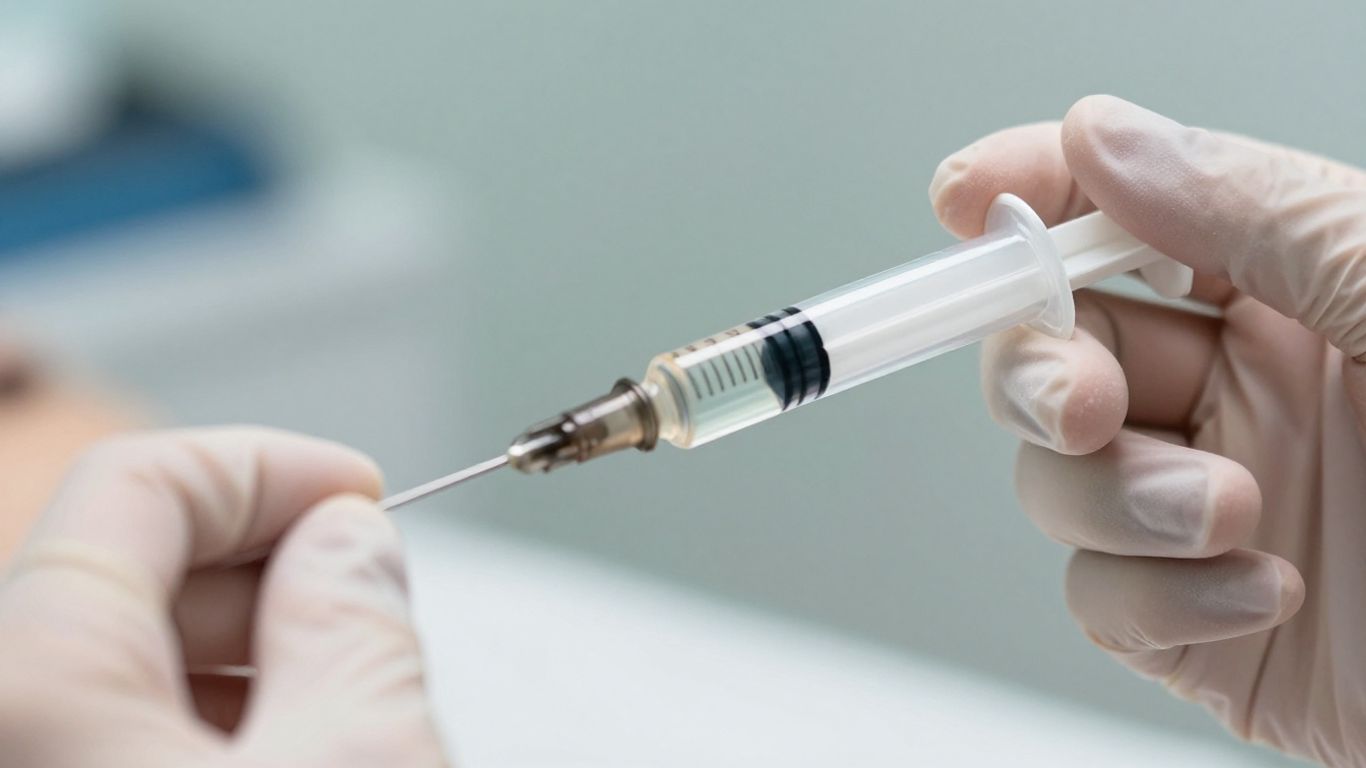
Right then, let’s chat about the JCCP and how it’s shaking things up in the world of dermal fillers here in the UK. You know, it’s not just about looking good; it’s about doing it safely. The whole non-surgical cosmetic industry has really taken off, which is great for people wanting a little tweak here and there. But, and it’s a big ‘but’, it’s also meant a bit of a free-for-all with some folks offering treatments without the proper know-how or qualifications. It’s been a bit of a worry, honestly.
Key Goals of the JCCP Guidelines
The Joint Council for Cosmetic Practitioners (JCCP) has stepped in to bring some much-needed order to this. Their main aim is to make sure that when you go for a treatment like fillers, you’re in safe hands. They’re all about raising the bar for everyone involved, from the people doing the treatments to the training they receive. They want to make sure that safety and good practice are front and centre. It’s not just about following rules; it’s about creating a culture where quality and patient well-being are the absolute priority. They’ve even put out guides to help training providers get their courses up to scratch, because, let’s face it, there’s been a real mix of standards out there.
How JCCP Oversees Practitioner Standards
So, how do they actually keep an eye on things? Well, the JCCP works to set out clear standards for practitioners. This includes things like the qualifications you need and the ethical way you should be practising. They’ve identified key treatment areas they currently recognise, like botulinum toxins and, of course, dermal fillers. For each of these, they have specific standards that practitioners need to meet. It’s all about giving you, the patient, confidence that the person treating you has been assessed and meets a certain level of competence. They’re basically acting as a watchdog, making sure that the industry is looking after people properly and not just chasing profits.
Raising the Bar for Training and Qualifications

It feels like everywhere you look these days, there’s talk about fillers and Botox. While it’s great that people feel more confident exploring these treatments, it’s also brought a bit of a wild west situation to the industry. That’s why the JCCP’s push for better training and qualifications is such a big deal. They’re basically saying, ‘Hold on a minute, this isn’t just about looking good; it’s about safety first.’
Minimum Standards for Dermal Filler Providers
Before, you could have someone with minimal training offering serious treatments. That’s obviously not ideal. The JCCP is working to make sure that anyone providing these services has a solid grasp of what they’re doing. This means looking at:
- Education: What kind of courses have they completed? Are they recognised and up to scratch?
- Skills: Can they actually perform the procedures safely and effectively?
- Ethics: Are they being honest with clients about risks and results?
It’s all about creating a baseline so that patients know they’re in safe hands. The government is also getting involved, looking at licensing for practitioners and premises, which is a massive step forward. It means that dodgy clinics and unqualified individuals will find it much harder to operate.
The push for stricter regulations and recognised training pathways is a response to a growing number of concerns about patient safety and the rise of unqualified practitioners in the aesthetics sector.
What the Level 7 Means for Practitioners
You might have heard whispers about ‘Level 7’. This is a postgraduate qualification specifically for injectables. Think of it as a more advanced diploma that shows a practitioner has gone above and beyond basic training. It’s mapped to national guidelines and is currently one of the only Ofqual-regulated qualifications of its kind in the UK. While it’s not officially the mandatory minimum yet, many expect it to become the standard. Getting a Level 7 qualification means practitioners have a really thorough understanding of the treatments, potential complications, and how to manage them. It’s a sign that they’re serious about their profession and committed to patient safety. If you’re looking for a practitioner, checking for this kind of qualification is a good start, and you can often find clinics like Flawless Clinic that highlight their team’s credentials.
What Patients Should Know About Dermal Filler Safety
So, you’re thinking about getting some dermal fillers? It’s totally understandable, with so many people opting for these treatments these days. But before you book anything, it’s really important to know what’s what when it comes to safety. The UK has been a bit of a free-for-all in the past, but things are changing, and the JCCP is helping to make sure you’re looked after.
How to Spot a Qualified Practitioner
This is probably the most important bit. You don’t want just anyone poking needles in your face, right? Here’s what to look out for:
- Check their qualifications: Are they a registered healthcare professional? Think doctors, dentists, or nurses who have had specific training in aesthetic treatments. The JCCP has lists of registered practitioners, so it’s worth having a look.
- Look for experience: How long have they been doing this? Have they had specific training for the exact treatment you want?
- Are they insured? Reputable practitioners will have professional indemnity insurance. This is a big one.
- Where do they work? Are they working from a proper clinic or a dodgy back room? The environment matters a lot for hygiene and safety.
Don’t be afraid to ask questions! A good practitioner will be happy to talk you through their qualifications, the products they use, and what to expect.
Tips to Stay Safe with Non-Surgical Treatments
Beyond just finding the right person, there are a few other things you can do to keep yourself safe:
- Do your homework: Don’t just go with the first clinic you see or the cheapest offer. Research is key. Read reviews, but also be a bit critical – some reviews can be faked.
- Know the risks: Every procedure has risks, even non-surgical ones. Make sure you understand what could go wrong and what the recovery process involves.
- Be wary of ‘too good to be true’ deals: If a price seems way lower than everywhere else, there’s probably a reason. It could mean they’re using cheaper, less safe products or that the practitioner isn’t properly qualified.
- Trust your gut: If something feels off, or you feel pressured into a treatment, walk away. There will always be other options.
The new regulations are a big step forward in making sure that treatments are safe and that you know who you’re dealing with. It’s all about giving you peace of mind and making sure you get the results you want without putting your health at risk. Remember, your safety comes first, always.
Thinking about dermal fillers? It’s smart to know the safety facts first. We want you to feel confident and informed about any treatment. Learn how to choose a qualified professional and what to expect for a safe and successful experience. Ready to explore your options? Visit our website today to find out more about safe and natural-looking results.
So, What’s the Takeaway?
Right then, we’ve had a good look at the JCCP guidelines and what they mean for fillers here in the UK. It’s pretty clear that things are getting more serious, and that’s a good thing, really. The aim is to keep everyone safe and make sure that if you’re thinking about getting fillers, you’re in good hands. It’s all about making sure practitioners know their stuff and are following the rules. So, next time you’re considering a treatment, remember to check that your practitioner is on the up and up. It’s your safety, after all!
Frequently Asked Questions
What is the JCCP and why is it important for fillers in the UK?
The JCCP, or Joint Council for Cosmetic Practitioners, is a group that sets standards for people who give cosmetic treatments like fillers. It’s important because it helps make sure that practitioners are properly trained and safe to treat you. Think of them as the guardians of safety in the world of cosmetic procedures, ensuring everyone is treated responsibly.
What should I look for to make sure my filler practitioner is qualified?
When choosing someone for filler treatments, always check if they are registered with the JCCP. This means they’ve met certain training and safety requirements. Also, look for qualifications like a Level 7 Diploma in injectables. A good practitioner will also take the time to talk to you properly, explain everything, and make sure you understand the risks and benefits before any treatment.
Are there new rules for filler treatments in the UK?
Yes, the UK government is introducing stricter rules for cosmetic treatments, including fillers. This is to protect people from unsafe practices and unqualified individuals. New regulations mean that practitioners will need to meet specific training and safety standards to offer treatments, and some higher-risk procedures will only be allowed by qualified healthcare professionals.
Ready to Start Your Journey?
Book a consultation to discuss your goals with Sylwia. Every treatment begins with honest, personalised guidance.
You May Also Enjoy
All Articles
Insight9 April 2026
Vitamin B12 Injections: More Than Just a Natural Energy Boost
Feeling a bit drained lately? You’re not alone. Many of us look for ways to get more energy, and sometimes, just getting more sleep or eating better isn’t…

Insight9 April 2026
The Importance of Professional Consultations: British Standards in Medical Aesthetics
Considering cosmetic treatments in the UK? It’s more than just picking a procedure. A proper chat with a professional is key, especially with all the talk…

Insight4 June 2025
Derma 2.0: What’s New?
Skincare is always changing, and Derma 2.0 is a good example of how new ideas can really shake things up. This treatment mixes science with natural stuff to…