Concern · Acne
Chemical Peel for Acne & Oily Skin
Peels can help meaningfully with acne and oily skin — over a course, alongside good aftercare, and sometimes alongside medical treatment. We'll be honest about what's realistic for your skin.
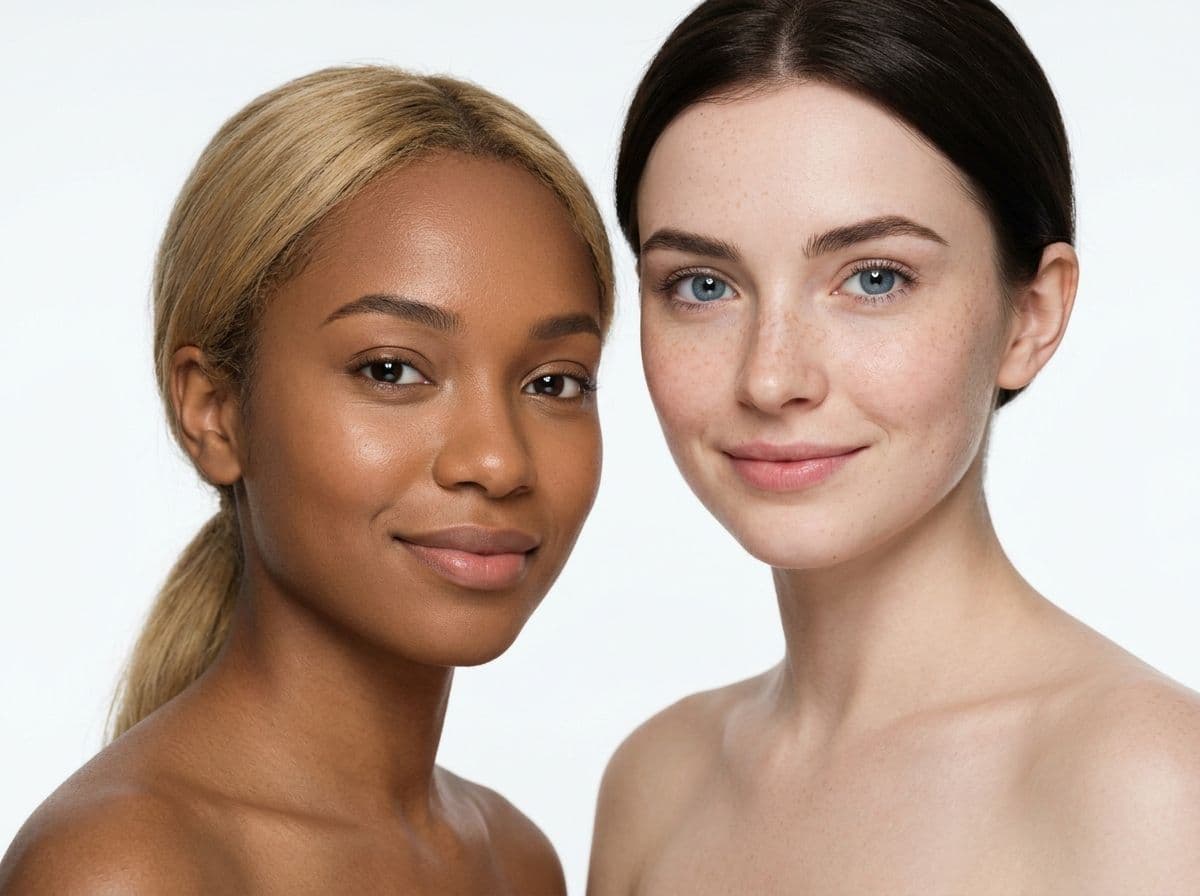
Chemical Peel · Acneno. 11
Chemical peels are one of the most useful tools for active acne and oily skin — when used in a planned course, with the right strength, and alongside skincare that supports rather than fights the result. Below is what we'd talk through if you came in asking about them.
How They Work
What chemical peels actually do for acne
Chemical peels apply specific acids to the skin's surface to encourage controlled exfoliation, regulate oil production, and help clear congestion in pores. For active acne and oily skin, salicylic acid (a beta-hydroxy acid that dissolves into oil) is the most useful for reaching the pore environment where breakouts begin. Other acids — mandelic, glycolic, and at higher strengths TCA — get used for specific cases.
The result builds across a course rather than from a single session. By the end of a planned 3–6 peel course, you might expect: fewer active breakouts, less surface oiliness, fading of post-acne marks, and a smoother overall skin tone. The honest expectation is meaningful improvement, not perfect skin.
Peels work in concert with what you do at home. The most successful courses pair the in-clinic peels with consistent SPF, a barrier-supportive skincare routine, and patience for the cumulative effect to show.
The Course
How we plan an acne peel course
Three things that tend to define how successful a peel course is — and that we'll talk through with you in person.
- 01
Assessment first — peel-strength calibration
We start with an assessment, sometimes a patch test, before committing to a peel strength. Your skin type, current routine, and the depth of the concern all change what's appropriate. The first peel is often lighter than the rest of the course — we build up as your skin shows it can handle more.
- 02
Course of 3–6, spaced 2–4 weeks apart
Acne work needs cumulative effect. One peel rarely shifts a long-running concern; the course gives the skin progressive control over the underlying oiliness, congestion, and inflammation.
- 03
Aftercare — consistent SPF and gentle skincare
The most common reason a peel course underperforms is patchy aftercare. Daily SPF, gentle cleansing, and pausing aggressive actives between sessions are non-negotiable. We'll give you a clear protocol.
When We'd Pause or Decline
Some situations where we'd hold off on starting a peel course or recommend a different pathway. These get discussed at consultation.
warning
Active severe acne — see your GP first
For moderate to severe persistent acne, peels work best alongside medical treatment from your GP or dermatologist. We're not a substitute for that — we'll suggest the right pathway and may decline to start a course in the meantime.
schedule
Recent isotretinoin (Roaccutane)
Most current guidance suggests a minimum 6-month wait after your last dose before chemical peels. Bring details to the consultation and please speak to your prescriber if you're unsure.
info
Compromised skin barrier
If your skin is already dry, sensitised, or barrier-compromised, the right first step is barrier repair — not a peel. We'd pause for a few weeks of focused skincare before starting.
Combination Treatment
When microneedling adds value alongside
Peels address the skin's surface — congestion, oiliness, pigmentation, fine texture. Microneedling addresses the deeper textural side — particularly textural acne scarring that persists after the active acne has settled. For some clients, a combined plan over the same overall programme gives a better result than either alone. Read more about microneedling for acne scars.
We don't use combination as a default. We use it where the picture genuinely calls for it.
Aftercare
The first 7–14 days
After a peel, the skin typically feels tight and looks slightly red for 24 to 48 hours. Light flaking commonly follows on days 3 to 5. The intensity depends on the peel strength.
We'll ask you to pause active ingredients (retinoids, exfoliating acids, vitamin C in some cases) for several days after each session. Daily SPF is non-negotiable. Avoid picking or peeling flaking skin — let it shed naturally.
Light makeup can usually be applied 24 hours after the appointment. We'll plan session timing around your week if you have an event coming up.
Related Reading
If you're also considering…
- — Chemical skin peels overview — the broader treatment, its uses beyond acne.
- — Microneedling for acne scars — for textural scarring after the active acne is settled.
- — Microneedling overview — sometimes useful alongside a peel course.
- — Our right to say no — why we'll decline a treatment if it isn't the right call.
Common Questions
Chemical peels for acne, answered
FAQs
Honestly, no — and any clinic promising that should be approached with caution. Peels can meaningfully reduce active acne and oiliness over a course of treatments, and they help with post-acne marks and texture. But persistent or moderate-to-severe acne usually needs medical treatment alongside (e.g. via your GP or a dermatologist). We'll be clear about what peels can and can't do for your situation.
Acne work typically benefits from a course of 3 to 6 peels, spaced 2 to 4 weeks apart depending on the strength of the peel and your skin response. The right number depends on your skin and goals. We'd review at the end of the planned course rather than commit you to a fixed number on day one.
We tailor the peel to your skin type and concern. For acne and oily skin, we typically use salicylic acid (BHA) for its oil-soluble action that reaches into pores, sometimes combined with mandelic or other acids that suit reactive skin. For deeper textural work, we may use TCA at calibrated strengths. We'll talk through the specific ingredient mix for your course at consultation.
You'll typically feel a mild tingling or warmth during the peel, sometimes briefly stinging on more reactive areas. Most clients describe it as uncomfortable rather than painful. We monitor closely and can pause or neutralise the peel if needed.
It depends on the strength of the peel. Lighter peels typically cause mild redness and slight flaking for 1 to 3 days. Stronger peels can produce visible peeling for up to a week. We plan the strength around your social calendar and what your skin can tolerate.
Often, yes. Post-inflammatory pigmentation (the brown or red marks left after acne lesions heal) typically responds well to a peel course. Texture-related scarring is harder to treat with peels alone — for that, microneedling alongside often gives a better result.
Yes — we'd decline treatment if you're pregnant or breastfeeding, if you've had recent isotretinoin (Roaccutane — typically 6 months minimum gap), if you have active herpes simplex on the treatment area, if your skin is already very dry or barrier-compromised, or if you have specific skin conditions that peels would aggravate. We'll go through your medical history at consultation.
In some cases, yes — particularly where you have both active acne (or its aftermath) and textural scarring. We'd plan the sequence carefully across the same overall programme to avoid over-treating the skin. The decision depends on your specific situation.
What we hope you'll do next
Book a consultation. We'll assess your skin, identify what kind of peel suits you (or whether you should pause and address something else first), and plan a course that has realistic outcomes.