Concern · Lip Lines
Treatment for Smoker's & Lip Lines
Fine vertical lines around the upper lip are a skin-quality concern, not a muscle one. Our approach uses skin boosters — not anti-wrinkle or filler — and the result is gradual, subtle, and honest.
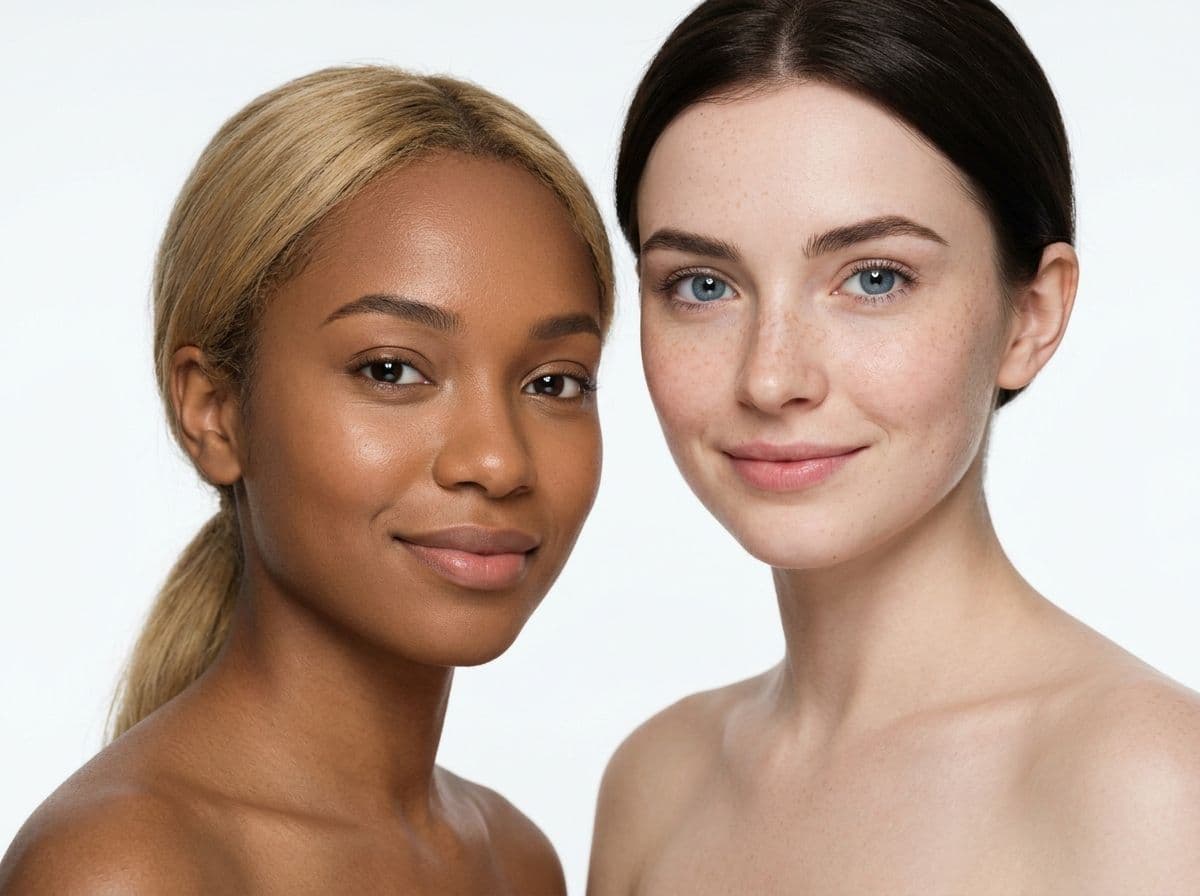
Skin Boosters · Lip Linesno. 21
The lines around the upper lip — sometimes called “smoker's lines” or “lipstick lines” — are one of the most misunderstood concerns in the wider conversation about injectables. The clinic that recommends anti-wrinkle for this area, or filler in the surrounding skin, is using the wrong tool for the job. Here's why.
The Anatomy
Why these lines form (and why they're different)
The skin around the upper lip is unusual. It's thinner than the rest of the face. It contains fewer oil glands, so it dries out faster. It's exposed to sun, smoke (active or passive), and the repeated mechanical action of lip movement during eating, drinking, and speaking.
Over time, that combination produces fine vertical lines that fan upward from the lip border. These are surface-skin changes — gradual loss of structural support, dehydration, and texture — rather than muscle-driven creases like forehead lines.
The treatment that addresses this is one that improves skin quality from within. Skin boosters do that by placing hyaluronic acid (a substance the skin produces naturally) into the deeper layers of the skin, where it holds water and supports the surface tissue. The lines soften because the skin holding them softens.
When This May Be Right For You
Three patterns we see most often when clients ask about treatment for upper-lip lines. Each is worth a consultation; none guarantees treatment is the right call.
visibility
Fine lines visible at rest
You can see the vertical lines around your upper lip even when your face is relaxed — and they're starting to bother you in close-up photos or in the mirror.
water_drop
Dry or crepey lip texture
The skin above your lip looks papery or texturally uneven, even when well-moisturised. Topical skincare reaches only so far in this area.
format_paint
Lipstick bleeding into the surrounding skin
If your lip colour is starting to feather or bleed into the lines around the lip border, that's a skin-quality and surface-line concern — exactly what skin boosters are designed for.
Why Skin Boosters
Why this is a skin-quality conversation
Three points that explain why our approach to this concern looks different from what you may see at other clinics.
- 01
These lines are about skin quality, not muscle movement
Vertical lines on the upper lip come from a combination of thinner skin in this area, dehydration, sun exposure, and (sometimes) smoking. They're not produced by muscle action in the same way forehead lines are — which is why anti-wrinkle treatment isn't the right tool here.
- 02
Why skin boosters fit the area
Hyaluronic acid placed at depth across the upper lip area improves the skin's ability to retain moisture and reflect light evenly. The surface texture softens; fine lines look less defined; the area looks more rested. Subtle, gradual, and well-suited to the delicate nature of this skin.
- 03
When peels add value alongside
Where surface texture has been affected by sun damage or pigmentation accompanies the fine lines, a light chemical peel course alongside skin boosters can give a better overall result than either alone. We'll only suggest combination if the picture calls for it.
The Course
What a typical course looks like
Skin boosters for the upper-lip area follow the same rhythm as skin boosters elsewhere: 2 sessions, 4 weeks apart, with the result peaking around 8 weeks from the first appointment. Maintenance is typically every 6 to 9 months.
The injections are placed at depth across the upper-lip area — not in the lip body itself. Most clients leave with small bumps at the injection sites that settle within a few hours, and minor tenderness for the rest of the day. Bruising is possible and usually fades within a week.
We book a brief two-week review so we can look at the result of the first session before the second. From there, you decide on maintenance — there's no obligation either way.
Combination Treatment
When peels add value alongside
Where surface pigmentation or sun-damage texture is part of the concern, a light chemical peel course alongside skin boosters often gives a better overall result than either alone. The peel addresses the surface (tone, texture); the booster addresses the deeper structure (hydration, support). Read more about chemical skin peels.
We don't use combination as a default. Where the picture genuinely calls for it, we'll explain why.
Related Reading
Other reading you may find useful
- — Skin boosters overview — the broader treatment, its uses across the face.
- — Skin boosters for dull, dehydrated skin — the wider hydration application of the same treatment.
- — Chemical skin peels — when peels add value alongside boosters.
- — Our right to say no — why we'll decline a treatment if it isn't the right call.
Common Questions
Smoker's and lip lines, answered
FAQs
The fine lines around the upper lip aren't really a muscle-movement problem — they're a skin-quality one. Skin around the lip is naturally thinner, drier, and more prone to fine surface lines than the rest of the face. Anti-wrinkle treatment relaxes muscles; it doesn't change skin texture or hydration. Skin boosters work on the actual underlying issue here.
Filler adds volume — to the lips themselves. The lines we're talking about run vertically into the upper lip from the surrounding skin, and they're a feature of the skin's surface, not its volume. Filler in the lip body wouldn't address them; filler in the surrounding skin can blur the lip border. Skin boosters target the right layer, in the right way, for this specific concern.
Honestly, no — and any clinic promising that should be approached with caution. Skin boosters can soften fine lines meaningfully by improving hydration and skin quality. Deeper lines that have settled in over years tend to soften partially rather than disappear. We'll be realistic about what's possible at consultation rather than overpromising.
The typical course is 2 sessions, spaced 4 weeks apart. Maintenance is usually scheduled every 6 to 9 months. Some people find that a single course gives them what they wanted; others maintain longer-term. We'll discuss the right cadence at the two-week review.
Sometimes, yes — particularly where the surface texture has been affected by sun damage or dehydration. We may suggest a chemical peel course alongside skin boosters if pigmentation or surface texture is a meaningful part of the concern. We don't use combination as a default; only where the picture genuinely calls for it.
The lip area is more sensitive than the rest of the face, but the injections themselves are quick and we use a small needle. Most clients describe brief tenderness rather than pain. We can apply topical numbing cream if you'd prefer.
Most people notice subtle improvements in skin quality within the first 1–2 weeks after the first session. The full effect of the course is at its clearest by around week 8 (a few weeks after the second session). The change is gradual rather than dramatic.
You can still be treated. Smoking accelerates skin ageing and the formation of these lines, so the underlying skin quality is often worth addressing alongside any wider lifestyle conversation. We won't lecture, but we'll be honest about what skin boosters can and can't reverse — sun protection and skincare remain important whether you smoke or not.
What we hope you'll do next
Book a consultation. We'll look at the area, explain why we approach it the way we do, and tell you honestly whether skin boosters are the right call — and what's realistic to expect.